Blog

Why Does My Child Not Like School?
Parents often ask, “Why does my child not like school anymore?” Sometimes the change happens suddenly. Other times, it develops gradually over months or even years. A child who once raced out the door excited to learn may now drag through the morning, complain of boredom, or simply say, “I hate school.”
If this sounds familiar, you are not alone. Families often wonder whether this change is a phase or a sign that something deeper has happened. Although every child is different, children rarely stop enjoying school for just one reason.
Children gradually disengage when they no longer feel known, challenged, connected, or inspired.
At Royalmont Academy, we believe education should form the whole person. Our Regnum Christi approach to Integral Formation helps students grow intellectually, humanly, spiritually, and apostolically. We do not simply prepare students for college. We form Christian leaders who know Christ, pursue truth, and prepare to transform society.
Why Does My Child Not Like School?
Every child’s story is unique. However, several common themes emerge when we speak with families. Parents often assume the problem is motivation, but students frequently disengage because their school no longer meets one or more essential needs.
1. Your Child No Longer Feels Known
Every child wants teachers and classmates to see them as a unique person. Each student brings individual gifts, struggles, interests, and potential into the classroom.
Students often withdraw when they feel anonymous. They participate less, ask fewer questions, take fewer risks, and gradually lose confidence.
A smaller school community gives teachers the opportunity to know students well. Teachers can notice changes, recognize emerging strengths, and provide support during difficult seasons. Personal accompaniment also allows students to receive honest encouragement without becoming defined by their struggles.
Royalmont students regularly describe this experience. One high school student shared, “The teachers are not only concerned with relaying facts but with shaping the person.” Another explained that Royalmont helped her discover gifts she never knew she possessed while becoming a stronger leader.
These experiences reflect a culture that intentionally builds authentic relationships. At Royalmont, students should never feel like a number in a crowded system.
2. Your Child Is No Longer Appropriately Challenged
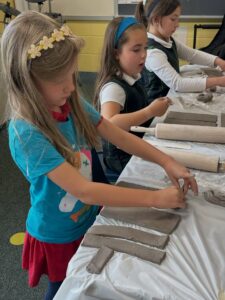 Children can lose interest for two very different reasons. Some feel overwhelmed because they constantly struggle to keep up. Meanwhile, others quietly disengage because learning has become predictable and uninspiring.
Neither extreme allows a student to flourish.
Royalmont does not measure challenge simply by the amount of homework assigned or the difficulty of a test. True intellectual formation develops curiosity, resilience, critical thinking, and confidence.
Our teachers encourage students to ask questions, collaborate with classmates, receive meaningful feedback, and stretch beyond what they thought they could accomplish. Smaller classes make that personalized attention possible.
One student explained that Royalmont’s class sizes allowed him to ask questions freely and receive individual feedback that made learning enjoyable. Another student entered high school believing dyslexia would make success impossible. Teachers believed in her, challenged her appropriately, and helped her discover that she could succeed.
3. School Has Become About Performance Instead of Purpose
Many students begin measuring their worth through grades, test scores, athletic performance, or social status. Those things matter, but they cannot become a child’s identity.
Children thrive when they understand that education involves becoming the person God created them to be. Learning should mean more than earning the next letter grade.
This understanding shapes the Royalmont experience. Rather than separating academics from faith, we place every subject within a larger journey toward truth, goodness, and beauty.
Teachers encourage students to discover both what they can accomplish and who they are becoming. Academic excellence matters because God has entrusted each child with gifts that deserve development in service to Him and others.
This philosophy reflects the Catholic Intellectual Tradition and the Regnum Christi commitment to Integral Formation. Knowledge gains meaning when students connect it to virtue, purpose, and their God-given mission.
4. Your Child Has Lost a Sense of Belonging
 God created children for relationships. Even highly capable students can struggle when they feel isolated, anxious, excluded, or disconnected from their peers and teachers.
Parents often focus first on grades because report cards provide visible data. Yet many students quietly lose confidence long before their academic performance reveals a problem.
Royalmont students describe something deeper than simply having classmates or friends. They speak about belonging to a community where people welcome, respect, encourage, and genuinely care for them.
One student transferred from a school where she constantly worried about what others might say about her. She described the authentic friendships she found at Royalmont as life changing.
Another student explained, “Royalmont is not just a school; it’s a community. When you walk through these doors, you truly feel welcomed, loved, and accepted.”
5. Your Child Needs More Than Academic Success
Academic success matters. Every parent wants a child who can read well, think critically, solve problems, and prepare for college or a meaningful career.
However, education involves more than information. Education forms the person.
God creates every child in His image and calls each one to become the unique person He designed them to be. Therefore, Royalmont educates the whole person through four dimensions of Integral Formation: intellectual, human, spiritual, and apostolic.
Knowledge without character remains incomplete. Confidence without virtue becomes fragile. Success without purpose eventually leaves students wondering whether achievement alone can satisfy them.
Royalmont does not add faith to the school day as one isolated subject. Instead, faith gives every class, relationship, activity, and decision its proper direction.
Students begin to understand that their talents are gifts entrusted to them for the good of others. One Royalmont student explained, “Because of Royalmont, I have grown in my relationship with Jesus. Here they teach you what the most important thing in your life is—Jesus.”
Another student reflected that every teacher, class, and experience continually pointed students back to Christ. That consistent integration distinguishes Royalmont from schools where faith and academics operate in separate spaces.
6. Your Child Needs Opportunities to Become a Leader
Many schools prepare students for graduation. Royalmont Academy prepares students for their mission.
That distinction shapes everything we do. Leadership does not belong only to student council officers, top students, or varsity captains. Every child can influence others through virtue, service, courage, and love.
Royalmont students serve younger classmates, participate in apostolic outreach, lead retreats, mentor peers, speak publicly, compete academically, and grow through athletics. These experiences help students develop the confidence to stand for truth, even when doing so feels difficult.
Our Regnum Christi mission calls us to form Christian leaders who will transform society. Therefore, leadership development must extend beyond classroom instruction. Students need real opportunities to practice responsibility, communication, service, decision-making, and sacrifice.
One student summarized the result: “Royalmont Academy cares about my faith journey, my academic success, and my personal growth. This school is setting your child up for success by giving them the tools to be holy Christian leaders.”
What Happens When Children Begin to Love School Again?
A positive change in school environment can transform more than a report card. Parents may notice their child asking questions again, talking about class at dinner, or showing greater confidence when facing a challenge.
Students often begin taking healthy risks because they no longer fear that one mistake will define them. They participate more, build stronger friendships, and accept responsibility for their own growth.
Most importantly, children can rediscover that education is not something to survive. Learning becomes an opportunity to develop their gifts, encounter truth, serve others, and discover the person God calls them to become.
Parents can explore additional signs of healthy growth in our guide to determining whether a child is thriving in school.
Why Would a Parent Choose Royalmont?
 If you are deciding between public school, another private school, homeschooling, a classical academy, or another Catholic school, ask more than which option offers the strongest academics.
Ask who your child will become after spending the next four, eight, or twelve years there.
Public schools may offer extensive programs and resources. Homeschooling can provide flexibility and family-centered learning. Classical schools often emphasize enduring ideas and intellectual discipline. Other Catholic schools may provide faith formation alongside strong academics.
Royalmont brings several of those strengths together through a distinctly Regnum Christi model. Students receive rigorous academics, personal accompaniment, integrated Catholic formation, and intentional opportunities to become Christian leaders.
Our small community allows teachers to know students personally. However, small classes alone do not define Royalmont. Integral Formation guides how we teach, mentor, correct, encourage, worship, serve, and lead.
We want graduates who know Christ personally and pursue truth with courage. They should serve others before themselves and defend what is good, beautiful, and true.
Ultimately, Royalmont prepares graduates to become faithful spouses, loving parents, ethical business leaders, courageous priests and religious, dedicated professionals, generous citizens, and joyful disciples.
That is the difference between preparing students only for success and forming Christian leaders who can transform society.
Common Questions Parents Ask
Why does my child suddenly not like school?
Children rarely stop enjoying school overnight. They often disengage gradually when they no longer feel known, challenged, connected, or inspired. Academic frustration, boredom, social difficulties, anxiety, or a loss of purpose may contribute to the change.
Can changing schools really help?
Changing schools can help when the current environment contributes to a child’s disengagement. Stronger relationships, appropriate academic challenges, personalized support, and a healthier culture can help students rebuild confidence. Parents should identify the underlying problem before deciding whether a change offers the best solution.
Is Royalmont Academy a classical Catholic school?
Royalmont Academy offers a classically infused Catholic education grounded in the Catholic Intellectual Tradition and Regnum Christi formation. The curriculum integrates modern pedagogy while remaining faithful to Church teaching. Royalmont’s primary educational framework is Integral Formation.
What makes Royalmont Academy different from other Catholic schools?
Royalmont Academy intentionally develops students through intellectual, human, spiritual, and apostolic formation. Faith shapes academics, relationships, leadership, service, and daily school life. This Regnum Christi approach prepares students to become Christian leaders rather than focusing only on academic success.
What is Integral Formation?
Integral Formation develops every dimension of the person. Students grow intellectually through learning, humanly through character and relationships, spiritually through friendship with Christ, and apostolically through leadership and service. The four dimensions work together rather than functioning as separate programs.
How can I tell if my child is thriving?
A thriving child grows academically while also developing confidence, character, healthy relationships, faith, and purpose. The child becomes more willing to ask questions, face challenges, accept responsibility, and use personal gifts for others. Grades provide important information, but they do not tell the whole story.
Every Child Has a God-Given Mission
If your child has begun saying they do not like school, do not assume they have stopped loving learning. Instead, listen carefully and look for what may have changed beneath the surface.
Many students rediscover curiosity and confidence when teachers know them personally, challenge them appropriately, encourage them consistently, and remind them of their God-given dignity.
At Royalmont Academy, every lesson, relationship, retreat, service opportunity, and conversation helps students discover who God created them to become.
Every child has a God-given mission. Education should help them discover it.
If you are considering a school change, visit our Royalmont Academy admissions page to schedule a personal visit. Our team will listen to your child’s story, answer your questions, and help you discern whether Royalmont offers the right environment for your family.
Discover the Royalmont Academy Difference
Imagine a school where students are known, formed, and prepared to lead — not just for college, but for life. At Royalmont Academy, we nurture academic excellence, leadership, and faith at every stage, from preschool through high school. Request information, schedule a visit, or begin your journey with us today.