Blog


Why Students Thrive When They Are Known
One of the most common questions families ask when considering a school is whether their child will be challenged academically.
That question matters. However, it may not be the most important one.
A better question might be this: Will my child be known?
Parents today are raising children in a very different world than previous generations. Students have access to more information than ever before. At the same time, many families express concerns about anxiety, loneliness, screen time, social pressures, and disconnection.
In this environment, children need more than information. They need relationships.
Students thrive when trusted adults know them, challenge them, and encourage them to grow.
Why Being Known Matters in Education
Think back to your own school experience.
Most people do not remember every lesson, assignment, or test. Instead, they remember the teachers who believed in them, the coach who challenged them, the mentor who encouraged them, or the friend who helped them through a difficult season.
Relationships shape people.
That truth becomes even more important during childhood and adolescence.
When teachers care about students personally, students engage more deeply in learning. When children feel connected to their community, they take healthy risks, develop confidence, and grow as leaders.
Children flourish when teachers, mentors, and peers invest in them personally.
The Challenge Facing Many Students Today
Many schools focus primarily on academic outcomes. Strong academics matter, but education was never meant to be only about transferring information.
Children are not simply minds to be filled with knowledge. They are human persons created in the image and likeness of God.
Every child possesses unique gifts, strengths, interests, and challenges.
Yet in many educational environments, students can become anonymous. They move from class to class, complete assignments, and earn grades, but few adults truly know them.
When students feel invisible, they often struggle to build confidence, resilience, leadership, and a sense of purpose.
Academic success alone does not guarantee that a child will thrive.
What Happens When Students Are Known
Something powerful happens when students are known personally.
Teachers recognize individual strengths and talents.
Through mentoring relationships, students identify areas for growth.
As trust develops, confidence often follows.
Students join clubs, participate in athletics, volunteer, lead projects, and discover talents they never knew they possessed.
Growth often begins with relationships.
Over the years, many Royalmont families have shared similar stories. Their children did not simply improve academically. They became more confident, developed stronger leadership skills, grew in faith, and became more willing to serve others.
Those changes rarely happen by accident.
What Being Known Actually Looks Like
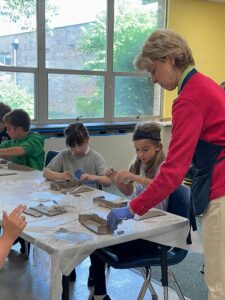 Being known is not a slogan. It shows up in the daily experience of students.
It looks like teachers noticing when a student needs help before frustration becomes discouragement.
Coaches, mentors, and classmates encourage students to try something new.
Middle school students learn to serve younger students. High school students step into leadership for the first time.
Friendships also help students become better versions of themselves.
One Royalmont student described the transition this way: “Coming from a school where you never knew who was going to talk about you next, to experiencing the loving and authentic relationships I have created here has been a life-altering experience.”
Another student said, “Royalmont feels like home. Everyone looks out for each other, and you can always find someone who’ll listen.”
Those comments capture something many parents want deeply for their children: a school community where relationships help students grow.
Being Known Does Not Happen by Accident
Many schools hope students feel known. At Royalmont, we intentionally create opportunities for students to discover their strengths, grow in leadership, and better understand themselves.
Beginning in middle school and continuing through high school, students participate in experiences that help them understand their personalities, strengths, communication styles, learning styles, and gifts.
Students use tools such as DISC, learning style assessments, leadership formation, mentoring conversations, and reflection experiences to grow in self-awareness and confidence.
These tools do not replace relationships. Instead, they help students and teachers better understand how each child learns, communicates, leads, and grows.
The goal is not simply academic success. The goal is helping each student discover how God created them and how they can use their gifts to serve others.
Why Relationships Matter More Than Ever
Many parents worry about the challenges facing this generation.
Today’s students spend more time interacting through screens.
For many young people, social media increasingly shapes self-worth and identity.
As a result, meaningful face-to-face relationships can become harder to find.
Every child benefits from mentors who know their strengths and weaknesses. Students need teachers who notice when they struggle, coaches who challenge them to grow, and friends who encourage them to become their best selves.
These relationships help students navigate the increasingly complex world they face.
How Royalmont Approaches Student Formation
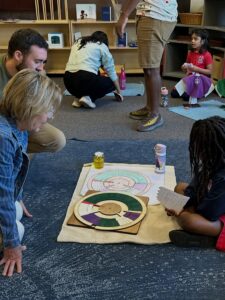 At Royalmont Academy, we believe education should develop the whole person.
Our mission is to form strong Christian leaders who will transform society.
That mission requires more than academic excellence alone.
Royalmont’s approach to Integral Formation focuses on four dimensions of growth: intellectual, human, spiritual, and apostolic.
Students grow intellectually through rigorous academics.
Relationships, character development, leadership opportunities, and personal responsibility strengthen their human formation.
Prayer, the sacraments, and faith formation help deepen their spiritual lives.
Service opportunities teach students how to use their gifts to make a difference in the world.
This approach reflects an important aspect of Royalmont’s Regnum Christi identity known as accompaniment.
Accompaniment means walking alongside students as they grow and mature. It means helping each child discover the person God created them to become.
What Students Notice About Royalmont
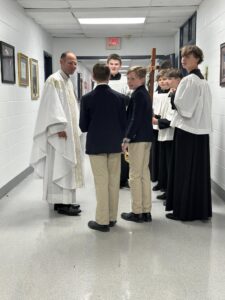 The clearest evidence often comes from students themselves.
One high school student said, “Royalmont has helped me shape my very being and has given me opportunities to develop leadership skills.”
Another student shared, “I thought high school would be impossible because of dyslexia, yet I have received so much help and support from my teachers.”
A middle school student explained, “Teachers make sure we understand, not just finish the work. They want us to think deeper.”
Another student said, “Helping younger students taught me that leadership means serving. You don’t lead by being the loudest — you lead by helping.”
These outcomes matter because they point to more than school satisfaction. They show growth in confidence, perseverance, service, faith, and leadership.
Why Families Choose Royalmont Academy
If you are deciding between public school, homeschooling, a classical school, or another Catholic school, academics are certainly important.
However, it is worth asking another question.
Who will know my child?
Which adults will encourage them when they struggle?
Parents should also consider where their child will find the right balance of support and challenge.
Every student needs opportunities to discover and develop their gifts.
Leadership rarely develops by accident. The right experiences help students grow into confident young adults.
The answers to those questions often shape a child’s future far more than families realize.
Students thrive when they are known.
At Royalmont Academy, faculty members intentionally know, challenge, support, and encourage students as they become the people God created them to be.
To learn more about Royalmont Academy, visit our Admissions Page.
You can also learn more about our approach to Integral Formation.
See the Difference for Yourself
Reading about relationships and accompaniment is one thing. Experiencing them firsthand is another.
The best way to understand the Royalmont difference is to visit campus, meet our students and faculty, and see how personal relationships shape the educational experience.
If you are exploring educational options for your child, we invite you to schedule a visit and discover why so many families choose an environment where students are truly known.
Schedule a Visit to Royalmont Academy
Common Questions Parents Ask
Why do students thrive when they are known?
Students thrive when trusted adults know them personally, challenge them appropriately, and encourage them to grow. Meaningful relationships help build confidence, accountability, resilience, and a sense of belonging.
What is accompaniment in a Catholic school?
Accompaniment is a personalized approach to education that focuses on walking alongside students as they grow intellectually, humanly, spiritually, and apostolically. It emphasizes mentorship, relationships, and personal development.
How does Royalmont Academy help students feel known?
Royalmont Academy intentionally develops relationships between students, teachers, coaches, mentors, and peers. Faculty members seek to understand each student’s strengths, challenges, interests, and goals.
How does Royalmont use DISC and learning style assessments?
Royalmont uses tools such as DISC and learning style assessments to help students understand themselves and help teachers support them more personally. These tools strengthen self-awareness, communication, leadership, and academic growth.
Is being known more important than academics?
Strong academics remain essential. However, students learn most effectively when they feel supported, challenged, and connected to their school community. Relationships and academics work together to help students thrive.
Is Royalmont Academy a classical Catholic school?
Royalmont Academy incorporates many strengths of the Catholic Intellectual Tradition while emphasizing Integral Formation. The school focuses on developing the whole person through intellectual, human, spiritual, and apostolic growth.
Discover the Royalmont Academy Difference
Imagine a school where students are known, formed, and prepared to lead — not just for college, but for life. At Royalmont Academy, we nurture academic excellence, leadership, and faith at every stage, from preschool through high school. Request information, schedule a visit, or begin your journey with us today.