Blog


Is My 3 Year Old Ready for Preschool?
“Is my 3 year old ready for preschool?” This is one of the most common questions we hear from families considering preschool at Royalmont Academy. For many children, this is their first time away from home in a structured setting.
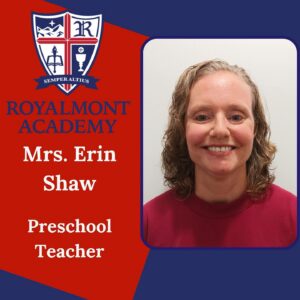
Erin Shaw, our PreK 3 & 4 teacher, works closely with families navigating this transition each year. She reminds parents that readiness is not about perfection. It is about growing independence, communication, and confidence.
A three-year-old is ready for preschool when they are beginning to communicate their needs, follow simple directions, and separate with support.
How Do You Help Three-Year-Olds Who Struggle at Drop-Off?
 Separation anxiety is normal at this age. In fact, it often shows a healthy attachment to parents.
Erin encourages families to keep goodbyes short and confident. Even if a child is crying, lingering can make the transition harder. A calm, consistent routine builds trust more quickly.
She also recommends sending a favorite stuffed animal, blanket, or a small photo of parent and child together. These simple comforts help ease anxiety during the first weeks.
What If My Child Has Never Been in a Classroom Before?
Many three-year-olds enter preschool without prior classroom experience. That is completely normal.
However, Erin suggests parents begin building independence at home. Children benefit from practicing bathroom routines, dressing themselves, and putting on their coats.
Playdates and Sunday school also help children practice taking turns, solving small conflicts with adult support, and following directions.
Preschool readiness includes learning respect and responsibility, such as cleaning up after themselves and listening when given instructions.
Do Children Need to Be Fully Potty Trained?
Yes. Children entering our three-year-old program must be fully potty trained.
Erin explains that this allows teachers to focus on developing social, emotional, and cognitive skills throughout the day. Our facilities are not designed for frequent diaper changes, and classroom time is best spent building foundational growth.
Why Does Starting Preschool at Three Really Matter?
According to Erin, beginning preschool at three builds social skills, emotional regulation, independence, and a love for learning.
Between ages three and five, children experience rapid development in language and communication. Fine and gross motor skills improve significantly. Their ability to express feelings and solve problems grows quickly.
These early habits shape future confidence.

What Are Three-Year-Olds Actually Learning Each Day?
In our preschool classrooms, children learn how to communicate their needs clearly. They practice solving problems with peers. They begin expressing feelings appropriately.
Students engage in learning centers and small group work that introduce basic math and language skills in developmentally appropriate ways.
Our goal is for each child to discover a love for learning while growing socially and emotionally.
What Does Faith Formation Look Like for a Three-Year-Old?
Faith formation at this age centers on developing virtues like empathy and kindness.
Children learn to treat one another as Jesus teaches us — to love one another. Through simple Bible stories and daily prayer, they begin to understand God’s love in a tangible way.
Faith is woven naturally into classroom life.
How Do You Build Independence and Confidence?
Erin intentionally creates space for children to “do it by themselves.” Teachers guide patiently rather than rushing to help.
Effort is praised. Small successes are celebrated. Reading together daily, creative opportunities, and cooperative play all strengthen confidence.
Confidence grows when children are trusted to try.
What Surprises Parents Most?
Language development often surprises families the most. Vocabulary expands rapidly during this year.
Parents frequently notice stronger communication, clearer expression of feelings, and greater independence by the end of the year.
What Does a Royalmont Preschool Graduate Look Like?
By the time students enter Kindergarten, they demonstrate growing independence, confidence, and readiness for learning success.
They are prepared not only academically, but socially and emotionally as unique children formed in mind, heart, and spirit.
If you are discerning whether your child is ready, we invite you to explore our Admissions process or learn more about our Preschool program.
Common Questions Parents Ask
Is my 3 year old too young for preschool?
Most three-year-olds are developmentally ready when they show emerging independence, communication skills, and the ability to separate with support. Some initial tears are normal.
How can I prepare my child for preschool?
Practice self-help skills such as dressing, bathroom independence, cleaning up toys, and following simple directions. Playdates also help build social readiness.
Does preschool at three really matter?
Starting preschool at three strengthens social skills, emotional regulation, language development, and independence during a critical growth period.
What if my child struggles with separation?
Short, confident goodbyes and consistent routines help children adjust quickly. Comfort items and reassurance also ease the transition.
Discover the Royalmont Academy Difference
Imagine a school where students are known, formed, and prepared to lead — not just for college, but for life. At Royalmont Academy, we nurture academic excellence, leadership, and faith at every stage, from preschool through high school. Request information, schedule a visit, or begin your journey with us today.