Blog

How DISC Is Used in the Classroom at Royalmont
Just a few weeks ago, students in grades 5–12 at Royalmont Academy received something new alongside their report cards: a personalized DISC profile.
For some families, the report immediately made sense. For others, it naturally raised questions.
Why did my child receive this?
What does it actually tell us?
And how does the school plan to use it?
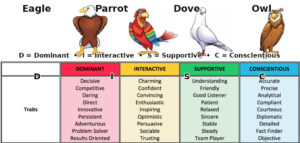
At Royalmont, this assessment represents one of many intentional ways we accompany students individually. Rather than offering a label, DISC gives us shared language to better understand how a student thinks, communicates, and responds—especially under pressure.
As a result, teachers can guide students more effectively. At the same time, parents gain clearer insight into what motivates their child and what may cause frustration at home or school.
Because formation begins with understanding, we believe this kind of clarity matters. When adults see a child more clearly, they can respond with greater wisdom, patience, and charity.
This approach aligns with the Church’s long-standing teaching on the dignity of the human person and the responsibility of educators to form the whole child. As the United States Conference of Catholic Bishops explains, Catholic education seeks to integrate intellectual growth with human and spiritual formation.
In this post, we explain why Royalmont uses DISC, how it shows up in classrooms across grade levels, and why it supports our mission of individual accompaniment. In addition, we share how parents can begin using these insights at home right away.
This article also serves as a preview of our upcoming Parent Formation Night. During that evening, we will walk through these reports together and show how they can strengthen communication between parents, students, and teachers.
One of the most important questions parents ask is simple and fair:
“How does this actually show up in my child’s day-to-day experience at school?”
DISC at Royalmont is not a one-time assessment or a personality exercise. It is woven intentionally into classroom instruction, formation time, and teacher-student relationships—always guided by our Catholic understanding of the human person.
Elementary School: Laying the Foundations (Pre-K–Grade 4)
In the earliest years, students are not yet able to complete the personal assessment. Instead, teachers focus on forming habits of respect, awareness, and charity.
At this level, DISC principles appear through:
- Modeling respectful behavior in every classroom interaction
- Identifying examples of respect, difference, and kindness in stories and read-alouds
- Teaching shared language around manners, empathy, and acknowledgment of others
- Practicing social skills through guided conversation and weekly Boys Town lessons
The goal is simple but profound: children learn early that people respond differently—and that those differences deserve patience and respect.
Middle School: Self-Awareness and Responsibility
As students mature, DISC becomes a tool for reflection rather than comparison.
In middle school, formation time is intentionally used to help students:
- Review and discuss their DISC results in small, guided groups
- Conference individually with formators who mentor students based on complementary strengths
- Develop personalized formation goals connected to their learning and behavior
- Practice respectful communication through modeled and coached interactions
Academically, teachers also provide structured opportunities for students to demonstrate learning through choice—allowing students to lean into how they process information best, while still being challenged to grow.
This stage helps students begin taking ownership of how they learn, react, and relate to others.
High School: Integration, Leadership, and Faith
In high school, DISC moves beyond awareness into application.
Students explore how personality styles show up:
- Under normal conditions and under stress
- In teamwork, leadership, and conflict
- In academic pressure and responsibility
Students engage in guided discussions, presentations, and analysis—often using familiar examples like literature, film, and Scripture.
For example:
- Students analyze characters in films or stories through a DISC lens
- They examine moments in the Gospels where Christ models different strengths—leadership, compassion, patience, and truth
- They reflect on how respecting others sometimes means adjusting their own approach
This formation is critical preparation for adulthood. Students learn that leadership is not about changing who they are—but about using their strengths wisely in service of others.
What About at Home?
Many parents have shared the same follow-up question:
“This makes sense for school—but how does it help me as a parent?”
That question matters. In fact, it sits at the heart of why Royalmont involves parents in this work.
DISC does not stop at the classroom door. When parents understand how their child is wired, everyday moments—homework, discipline, motivation, sibling relationships, even conflict—begin to make more sense.
Because this topic deserves focused attention, we explore it more fully in a companion article:
How Understanding Your Child’s DISC Profile Can Help at Home
In that post, we walk through practical ways parents use DISC to strengthen communication, reduce power struggles, and better support their child’s growth.
What This Means for Your Child
Because DISC is used consistently across grade levels, students experience:
- Teachers who understand how they respond to challenge and feedback
- Clearer expectations paired with greater empathy
- Reduced misunderstandings and unnecessary conflict
- Guidance that forms both character and competence
Most importantly, students learn that growth is possible—and that being different is not a problem to fix, but a gift to steward.
This is what individual accompaniment looks like when lived intentionally.
Frequently Asked Questions About DISC at Royalmont
Is DISC a personality test that labels my child?
No. DISC is not used to label or limit students. Instead, it provides shared language that helps adults understand how a child communicates, responds to stress, and learns best. Teachers use this insight to guide students more intentionally, not to box them in.
How do teachers use DISC in the classroom?
Teachers use DISC to better understand student motivation, reactions to feedback, and learning preferences. This understanding helps them adjust instruction, communication, and support while still holding high expectations for growth.
Does DISC affect grades or academic placement?
No. DISC does not determine grades, placement, or academic tracks. It supports formation by improving communication and helping students develop self-awareness, responsibility, and resilience.
Why did Royalmont introduce DISC in grades 5–12?
At this developmental stage, students are ready to reflect on how they think, react, and relate to others. DISC gives students tools to grow in maturity, leadership, and respect—skills that support both academic success and personal development.
How does DISC support Royalmont’s mission?
Royalmont uses DISC as part of its commitment to individual accompaniment. By understanding each student more fully, teachers and parents can guide growth with wisdom, charity, and consistency, rooted in our Catholic faith.
Discover the Royalmont Academy Difference
Imagine a school where students are known, formed, and prepared to lead — not just for college, but for life. At Royalmont Academy, we nurture academic excellence, leadership, and faith at every stage, from preschool through high school. Request information, schedule a visit, or begin your journey with us today.